

Field researcher, animal behavior specialist, and Dog lover
Puppies from America’s most trusted breeder network.

I’ll be straight with you—the Brittany Beagle Mix is one of those crosses that doesn’t get much attention, but it absolutely should. You’re combining a high-drive French hunting dog with arguably the most nose-obsessed hound in existence. This isn’t your typical “designer dog” fluff; this is a working dog hybrid that needs a job, and if you don’t give them one, they’ll invent their own—usually involving your neighbor’s trash cans or that interesting scent trail three miles away. If you’re looking for a medium-sized dog with serious scenting ability and boundless energy, this mix might tick all the boxes. But you need to understand what you’re signing up for.
There’s no fancy registered name for this cross—it’s not recognized by the AKC or any major kennel club. Most people simply call it a Brittany Beagle Mix, though you might occasionally see “Brittany-Beagle” or “Beagle Brittany.” It’s a designer mix or hybrid, which means you’re essentially rolling the genetic dice on which parent’s traits dominate.
What makes this combination interesting from a working dog perspective is that both parent breeds were developed for hunting with their noses. The Brittany was bred to point and retrieve game birds in the French countryside, while the Beagle tracked rabbits and hare through dense brush. Put those instincts together, and you’ve got a dog that lives to follow scent trails.
This isn’t a mix you’ll find on every corner. It’s relatively uncommon compared to Labradoodles or Goldendoodles, which honestly makes sense—this cross appeals to a specific type of owner who understands working dog needs.
The Brittany is technically a pointing breed, developed in the Brittany region of France. They’re medium-sized, energetic, and intelligent, standing about 17-20 inches tall and weighing 30-40 pounds. What I find impressive about Brittanys is their versatility—they point, flush, and retrieve, making them true all-around hunting dogs.
Temperament-wise, Brittanys are sensitive and eager to please. They bond closely with their families and can be reserved with strangers. They have high energy levels and need substantial daily exercise—we’re talking 60-90 minutes minimum. Without adequate mental and physical stimulation, they can become anxious or develop destructive behaviors.
Common health concerns include hip dysplasia, hypothyroidism, and epilepsy. Their lifespan typically ranges from 12-14 years.
Beagles are scent hounds through and through. They come in two size varieties—under 13 inches and 13-15 inches—weighing between 20-30 pounds. These dogs were bred to work in packs, tracking rabbits with their incredibly powerful noses.
What you need to know about Beagles is that they’re friendly, curious, and stubborn. They’re wonderful with kids and other dogs, but their nose rules their brain. When they catch an interesting scent, everything else ceases to exist. This makes recall training… challenging.
Beagles are prone to obesity (they’ll eat anything), hip dysplasia, hypothyroidism, and ear infections due to those long, floppy ears. They typically live 10-15 years.
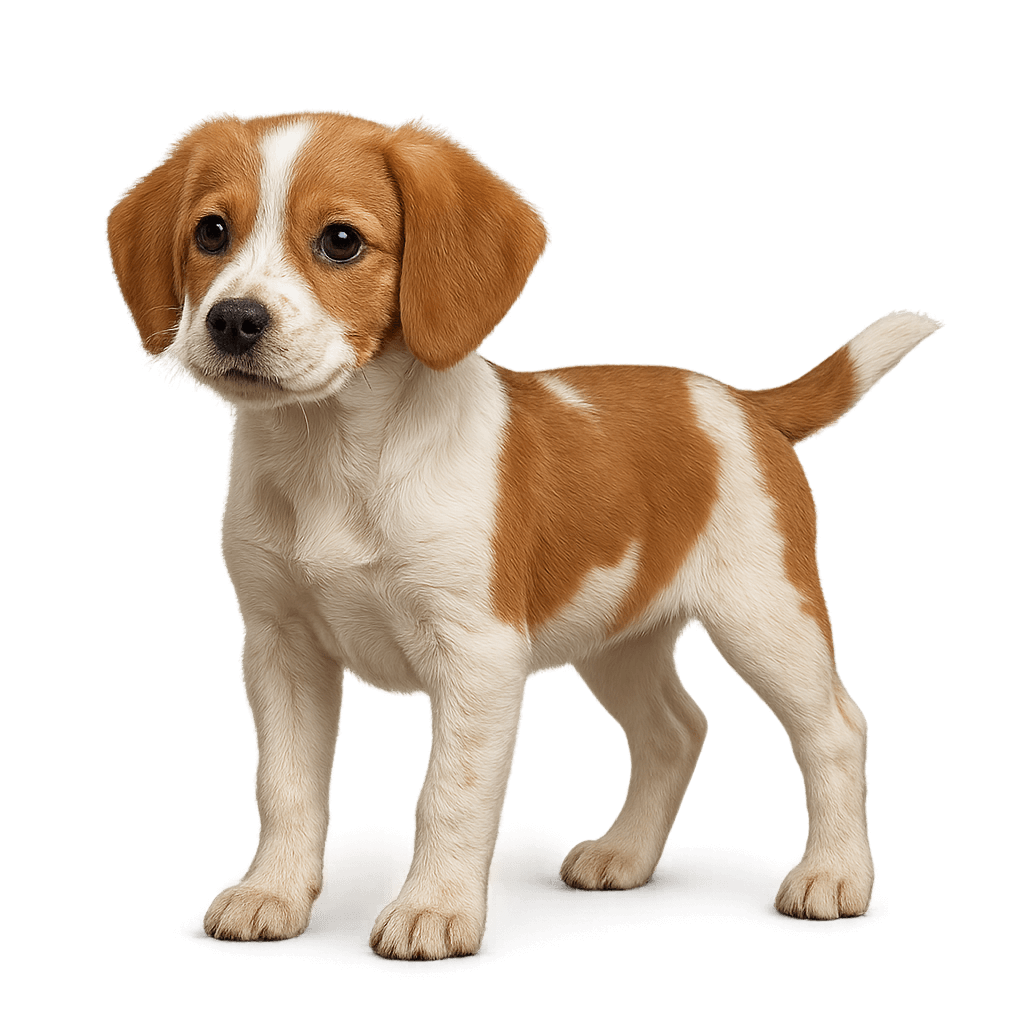
You’re looking at a medium-sized dog, typically ranging from 17-20 inches at the shoulder and weighing anywhere from 25-40 pounds. The exact size depends on which parent they favor and whether the Beagle parent was from the smaller or larger variety.
The build is usually athletic and compact—solid without being heavy. These dogs are built for endurance, not speed sprints. Expect a deep chest, strong legs, and an overall appearance that screams “I was made to work.”
The coat is typically short to medium length, dense, and weather-resistant. Shedding is moderate year-round with heavier seasonal sheds. You’ll need to brush them 2-3 times weekly to keep loose hair under control.
Color patterns vary widely. You might see:
Their ears will almost certainly be long and floppy—thanks to the Beagle genes—which means regular ear cleaning to prevent infections.

Let me be blunt: this mix lives for scent work. Both parent breeds are scent-driven hunters, so you’re getting a dog that will follow their nose above all else. If you’re not prepared to work with this instinct rather than against it, you’ll have a frustrated dog and an exhausted owner.
In my experience working with scent hounds and pointing breeds, these dogs are happiest when they have structured nosework activities. This could be tracking, shed hunting, barn hunt, or even just regular scent games in your backyard. Without this mental outlet, they’ll use that nose to get into trouble.
The good news is that this mix typically inherits the friendly, social nature of both parents. They’re usually excellent with children and other dogs, especially if properly socialized early. The Beagle’s pack mentality combined with the Brittany’s family bonding creates a dog that genuinely enjoys being around people and other animals.
However, they can be vocal. Beagles are famous for their bay, and Brittanys aren’t exactly silent either. If you live in close quarters with neighbors, this is something to seriously consider.
Here’s where the Brittany influence shows up strongly: these dogs tend to be sensitive to correction. Harsh training methods will shut them down completely. They respond best to positive reinforcement and calm, consistent guidance.
The Beagle stubbornness can make recall challenging. When their nose locks onto something interesting, it’s like their ears turn off. This isn’t defiance—it’s genetic programming. You’ll need patience and really high-value rewards to compete with the fascinating scents of the world.
If you’re considering this mix, clear your schedule. These dogs need 60-90 minutes of exercise daily, and I’m not talking about a leisurely stroll around the block. They need opportunities to run, explore, and—most importantly—use their noses.
A tired Brittany Beagle Mix is a well-behaved Brittany Beagle Mix. An under-exercised one will find creative ways to entertain themselves, and you probably won’t like their ideas. Think digging, excessive barking, destructive chewing, and escape artistry that would impress Houdini.
What works well for this mix:
Important note: off-leash exercise should only happen in securely fenced areas. The combination of Beagle stubbornness and scent drive means recall will always be questionable, no matter how much you train.
Early socialization and training are non-negotiable with this mix. The good news is they’re intelligent and generally eager to learn—when they’re not distracted by something more interesting (which is often). Start puppy training classes as soon as your vet clears them.
Focus on positive reinforcement methods. These dogs want to please you, but they’re also independent thinkers. Harsh corrections will damage your relationship and make training harder in the long run.
Let’s address the elephant in the room: recall will be your biggest training challenge. That Beagle nose is incredibly powerful, and when they’re on a scent trail, everything else fades away. You need to start recall training early and practice it religiously, but even then, don’t expect perfection.
My advice? Work with their natural instincts rather than against them. Train a solid recall, but also accept that this dog will always need secure containment. A fenced yard isn’t optional—it’s necessary.
Instead of fighting their hunting instincts, give them appropriate outlets. Nosework training is perfect for this mix. You’re teaching them to use their natural abilities in a controlled, rewarding way. This mental stimulation is just as important as physical exercise—maybe more so.
As with any mixed breed, the Brittany Beagle can inherit health issues from either parent. The most common concerns include:
Reputable breeders should screen parent dogs for hip dysplasia, eye conditions, and thyroid function. If you’re adopting, ask for any available health history.
With proper care, you can expect this mix to live 12-14 years. Regular veterinary checkups are essential, along with maintaining a healthy weight—which can be challenging given the Beagle’s tendency to overeat.
Those floppy ears need regular cleaning—at least weekly—to prevent infections. Check them after any outdoor adventures, especially if your dog has been in water or tall grass.

Grooming is relatively straightforward with this mix. Their short to medium coat requires brushing 2-3 times per week to control shedding and distribute natural oils. During spring and fall shedding seasons, daily brushing helps manage the hair tumbleweeds.
Bathing needs are minimal—every 4-6 weeks or when they’ve gotten into something particularly fragrant (which, let’s be honest, will happen). These dogs were bred to work outdoors, so they have naturally weather-resistant coats that shouldn’t be over-bathed.
The most important grooming task is ear care. Those floppy ears create a warm, moist environment perfect for bacterial and yeast growth. Check and clean ears weekly, and always dry them thoroughly after swimming or bathing.
Regular nail trims, dental care, and tick checks round out the maintenance routine. If your dog is getting adequate exercise on varied surfaces, their nails may wear naturally, but most will still need trimming every 3-4 weeks.
This mix does best in a home with a securely fenced yard. Apartment living is possible if you’re committed to providing substantial daily exercise, but it’s not ideal. These dogs need space to move and, more importantly, opportunities to explore with their noses.
The fence needs to be secure and at least 5 feet tall. Beagles are notorious escape artists when motivated by a good scent, and the Brittany’s athleticism doesn’t help. Check for gaps, dig-prevention along the fence line, and make sure gates latch securely.
As for climate, their dense coat provides good protection in moderate temperatures. They can handle cold better than extreme heat, but they’re adaptable. In hot weather, schedule exercise for cooler parts of the day and always provide access to shade and water.
A medium-sized, active dog like this typically needs 2-3 cups of high-quality dog food daily, divided into two meals. The exact amount depends on their size, activity level, and metabolism.
What concerns me about this mix is the Beagle’s tendency toward obesity combined with high energy needs. These dogs often have excellent appetites and will eat anything remotely food-like. Portion control is essential, and free-feeding is not recommended.
Look for dog food with quality protein sources as the first ingredients. Given their activity level, they benefit from foods formulated for active or sporting breeds. Expect to spend $50-80 per month on quality dog food, depending on the brand and your dog’s size.
Be mindful of treats during training. Since you’ll be using a lot of them (especially for nosework and recall training), choose small, low-calorie options or use part of their daily kibble as rewards.
Initial costs for this mix vary depending on whether you adopt or purchase from a breeder. Adoption fees from rescues or shelters typically range from $200-400. If you find a breeder specifically producing this mix (which is relatively rare), expect to pay $500-1,200.
First-year expenses beyond the adoption or purchase price include:
Annual ongoing costs average $1,200-1,800, covering food, routine vet care, preventive medications, grooming supplies, and miscellaneous expenses. This doesn’t include emergency veterinary care, which you should budget for separately or cover with pet insurance.
This specific mix is uncommon, so finding one requires patience. You’re unlikely to walk into a shelter and find one waiting for you, though surprises happen. Check with breed-specific rescues for both Brittanys and Beagles—they sometimes take in mixes.
If you’re looking for a puppy from a breeder, be cautious. Since this isn’t a popular designer mix, you probably won’t find large-scale breeders producing them intentionally. Most litters are likely accidental or from small-scale hobby breeders. This isn’t necessarily bad, but it means doing your homework is essential.
Questions to ask any breeder:
Responsible breeders will have health clearances for both parents and will be invested in the long-term wellbeing of their puppies. They’ll ask you questions too, making sure their puppies go to appropriate homes.
The Brittany Beagle Mix is best suited for active individuals or families who genuinely enjoy spending time outdoors with their dogs. If you love hiking, running, or any activity that gets you outside, this could be a great match. If your idea of exercise is a 15-minute walk around the block, keep looking.
This mix thrives with owners who understand and appreciate scent-driven dogs. If you find it fascinating to watch a dog work a scent trail, if you’re willing to incorporate nosework into your training routine, and if you can laugh when your dog gets completely absorbed following their nose, you’re on the right track.
They’re generally good with children and other dogs, making them solid family companions for homes with kids old enough to respect a dog’s space. The gentle nature from both parents usually shines through.
However, this isn’t the right fit for:
If you have small pets like cats, rabbits, or chickens, proceed with extreme caution. The prey drive from both parent breeds can be strong, and while individual dogs may be fine with household pets if raised with them, it’s not a guarantee.
If you’re drawn to the Brittany Beagle Mix but want to consider alternatives, a Plott Hound Beagle Mix offers similar scenting abilities with potentially more intensity—the Plott is a serious trailing hound, so you’d be doubling down on hound characteristics.
A Brittany Spaniel Mix (with another sporting breed) might give you the birdy drive without quite as much scent-obsessed stubbornness. A Beagle Lab Mix combines scenting ability with slightly more biddability from the Lab side, though you’re trading away some of the Brittany’s elegance and pointing instinct.
Each cross has trade-offs. The Brittany Beagle gives you an exceptional nose in a medium-sized, generally friendly package, but with training challenges around recall and distraction.