

Field researcher, animal behavior specialist, and Dog lover

Puppies from America’s most trusted breeder network.

Look, I’m going to be straight with you—the Pekingese Beagle mix isn’t the first crossbreed that comes to mind when folks think about designer dogs. But after years of working with all kinds of breeds and their quirky combinations, I’ve learned that these unexpected pairings often surprise you in the best ways. This particular mix brings together the stubborn dignity of the Pekingese with the nose-driven energy of the Beagle, and the result is… well, interesting. If you’re considering one of these dogs, you need to understand what you’re signing up for—because it’s definitely not a mellow lap dog that’ll snooze all day.
This crossbreed goes by a few names—Peagle is probably the most common one you’ll hear, though some people just call it a Pekingese Beagle mix straight out. Either way, we’re talking about a hybrid between two very different breeds with distinct histories. The Pekingese was bred for Chinese royalty, meant to be a companion dog with an attitude that knows it. The Beagle, on the other hand, comes from English hunting stock—a pack hound with an incredible nose and the energy to follow a scent for miles.
What you get when you combine these two is unpredictable, and that’s the honest truth. Some Peagles lean heavily toward the Beagle side—they’re energetic, scent-obsessed, and need a lot of exercise. Others take after the Pekingese more—they’re stubborn, somewhat aloof, and happy with shorter bursts of activity. Most fall somewhere in the middle, which means you’re getting a moderately active dog with a strong independent streak.
Here’s what matters from a practical standpoint: this isn’t an officially recognized breed by the AKC or any major kennel club. That means there’s no breed standard, no predictability in looks or temperament, and finding one from a responsible breeder is challenging. Most Peagles you’ll encounter are accidental mixes or come from hobby breeders who aren’t necessarily following best practices.
The size range is genuinely all over the place. A Pekingese typically weighs 7-14 pounds and stands about 6-9 inches tall. A Beagle ranges from 20-30 pounds and 13-15 inches. Your Peagle could land anywhere in between, but most I’ve seen tend to be small to medium-sized dogs—think 15-25 pounds and 10-14 inches at the shoulder.
This size makes them more manageable than larger breeds, which is a genuine advantage if you’re not equipped to handle a big dog. They’re portable enough to travel with, small enough for apartment living if needed, but sturdy enough that you don’t have to treat them like fragile toys.
The coat is where things get really variable. Pekingese have that long, flowing double coat that’s honestly high-maintenance. Beagles have a short, dense coat that sheds like crazy but requires minimal grooming. Your Peagle might have:
Color-wise, expect combinations of white, tan, brown, black, and cream. Tri-color patterns are common if the Beagle markings come through. Some have the distinctive Beagle saddle marking, while others look more uniform with Pekingese coloring. Honestly, you won’t know what you’re getting until the puppy grows up a bit.
This is where I need to address something important. Pekingese are brachycephalic—they have flat faces that cause serious breathing problems. If your Peagle inherits that flat face, you’re looking at potential respiratory issues, especially in heat or during exercise. What I find encouraging is that mixing with a Beagle often produces a slightly longer muzzle, which helps with breathing and overall health.
The body structure usually leans toward the Beagle’s more athletic build rather than the Pekingese’s low, long body. That’s generally a good thing—it means fewer back problems and better mobility. The ears are almost always floppy and set lower on the head, which is frankly adorable but requires regular cleaning to prevent infections.
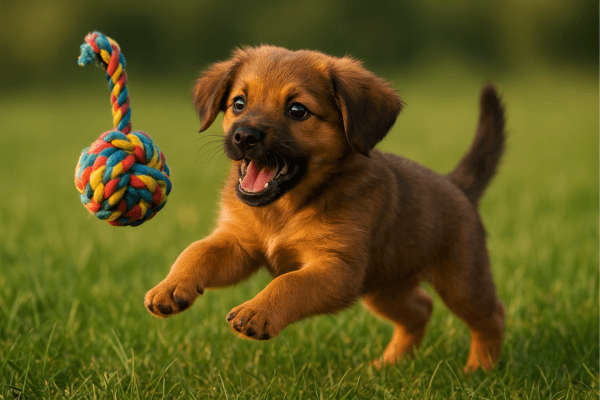
Let me tell you what I’ve observed about dogs with this particular genetic combination—they’re independent thinkers, sometimes to a fault. Both parent breeds have stubborn streaks, though for different reasons. The Pekingese stubbornness comes from centuries of being treated like royalty; they genuinely believe the rules don’t apply to them. The Beagle stubbornness is scent-driven—when they catch an interesting smell, the entire world disappears except that trail.
In practical terms, this means training requires patience and creativity. You can’t just tell a Peagle to do something and expect compliance. You need to make it worth their while and keep sessions interesting. The upside? These dogs are intelligent and capable of learning complex behaviors if you approach it right.
The Beagle influence usually brings a friendly, sociable nature that works well in family settings. These dogs generally like people, including kids, though I’d supervise interactions with very young children—the Pekingese side can make them less tolerant of rough handling or loud chaos. They’re typically okay with other dogs if properly socialized, though they might not be as pack-oriented as a purebred Beagle.
What concerns me more is the prey drive. Beagles were bred to chase rabbits, and that instinct doesn’t just disappear. If you have cats, small pets, or spend time in areas with wildlife, you need to be aware that your Peagle might have a strong chase response. Some are fine with cats they’ve grown up with, but strange animals are a different story entirely.
This is where you’ll see the most variation between individual dogs. A Beagle needs substantial daily exercise—we’re talking at least 60 minutes of walking, running, or active play. A Pekingese is content with short walks and indoor play. Your Peagle will probably need 30-45 minutes of daily exercise at minimum, but some will demand much more.
What I find most interesting is that even the lower-energy Peagles benefit enormously from nosework. That Beagle heritage means they have incredible scenting abilities, and using those skills mentally exhausts them in the best way possible. If your dog is driving you crazy with restlessness despite walks, it’s probably because their brain isn’t tired. Scent games, tracking exercises, or even simple hide-and-seek with treats can transform their behavior.
Here’s what happens with a lot of Peagle owners—they try standard obedience training methods and hit a wall. The dog seems to understand the commands but just… doesn’t care. That’s not defiance in the way people think; it’s a lack of sufficient motivation combined with breeds that weren’t selected for biddability. Pekingese were bred to be companions, not working dogs that live to please. Beagles were bred to follow their noses somewhat independently of their handlers.
What works better is making training relevant to their natural instincts. Instead of endless repetitions of “sit” and “stay,” incorporate their nose. Teach them to track, to find hidden objects, to discriminate between scents. When you engage the parts of their brain that are hardwired for these activities, training becomes something they actually want to do.
Based on what I know about both parent breeds, here’s what I’d recommend for a Peagle:
The howling is something you should prepare for. Many Peagles inherit the Beagle’s vocal nature, and if you’re not home much, your neighbors will let you know about it. This isn’t something you can fully train away—it’s genetic—but you can manage it by ensuring the dog is well-exercised and mentally stimulated before you leave.
Start early and be thorough. The Pekingese can contribute a tendency toward wariness or aloofness with strangers, while the Beagle side usually wants to befriend everyone. What you end up with depends on which genes are dominant, but comprehensive socialization during the critical period (roughly 3-14 weeks) makes an enormous difference regardless.
Expose your Peagle puppy to different people, environments, sounds, surfaces, and experiences. Don’t just take them to the same park every day—vary the locations. Introduce them to people of different ages, sizes, and energy levels. Let them experience car rides, busy streets, quiet trails, and everything in between. This creates a confident, adaptable adult dog rather than one that’s anxious or reactive in new situations.
When you mix two breeds, you inherit potential health problems from both sides. For Peagles, the most significant concerns include:
What I find concerning is that because this is a mix, you’re unlikely to find breeders doing proper health testing on the parents. Responsible breeders of purebreds do hip evaluations, eye exams, and genetic testing. Most people breeding Peagles aren’t investing in those screenings, which means you’re taking a gamble on your dog’s health future.
Both parent breeds typically live 12-15 years, and you can expect similar longevity from a Peagle if they’re healthy. The biggest factor affecting their quality of life is weight management. Both Pekingese and Beagles are prone to obesity—Pekingese because they’re not particularly active, and Beagles because they’re food-obsessed and will eat anything they can reach.
An overweight Peagle faces compounded problems: increased stress on their back and joints, worsened breathing issues if they have a flat face, higher risk of diabetes and heart disease. If you’re someone who struggles with maintaining your dog’s weight, this breed combination will test you. They’re masters at begging, and that Beagle food drive means they’re persistent about it.
This is critical to understand before you bring a Peagle home. If your dog has inherited the brachycephalic structure, their exercise tolerance will be limited, especially in heat or humidity. You can’t take them on long summer hikes or expect them to keep up on runs. Even dogs with moderately flat faces can struggle with breathing during exertion.
Watch for signs of respiratory distress—excessive panting, blue-tinged gums, reluctance to move, or noisy breathing. Some Peagles will have a more elongated snout from the Beagle side, and those dogs typically handle exercise much better. This is one of those aspects you won’t know until you see the individual dog, which makes planning difficult.
Both parent breeds shed—there’s no getting around it. The Pekingese has that luxurious double coat that requires daily brushing to prevent matting, especially behind the ears, under the legs, and around the tail. The Beagle has a short coat that sheds constantly year-round. Your Peagle will likely need brushing several times per week minimum, more if they inherited the longer Pekingese coat.
What I’d recommend is establishing a grooming routine early when they’re puppies. Make it a positive experience with treats and praise so they tolerate—or even enjoy—being brushed. If you let the coat go without regular maintenance, you’ll end up with mats that hurt when you try to brush them out, creating a dog that hates grooming.
Those floppy ears that most Peagles inherit? They’re prone to infections because air doesn’t circulate well inside. Check and clean the ears weekly at minimum, more often if your dog swims or gets wet frequently. You’ll know there’s a problem if you notice a bad smell, redness, or if the dog is scratching at their ears constantly.
Dental care is important for all dogs, but particularly for small breeds and dogs with shorter muzzles. The teeth can be crowded, leading to faster plaque buildup and gum disease. Brush your Peagle’s teeth regularly—daily is ideal, but even a few times per week makes a difference. Dental disease isn’t just about bad breath; it affects their overall health and can shorten their lifespan significantly.
Nail trimming tends to be necessary every few weeks unless your dog walks on pavement enough to naturally wear them down. Overgrown nails affect how they walk and can cause joint problems over time. If you hear clicking on hard floors, the nails are too long.
I’m going to be honest about this because it matters. You’re unlikely to find a reputable breeder deliberately producing Peagles. Responsible breeders focus on purebreds with health testing, careful lineage tracking, and breeding goals that improve the breed. The people breeding mixed dogs like Peagles are usually either accidental (someone’s dogs got together) or hobby breeders cashing in on the designer dog trend.
That doesn’t mean every Peagle comes from a bad situation, but it does mean you need to be extremely careful. If you’re looking at puppies, visit in person, meet at least the mother, ask about health testing (though don’t expect much), and watch for red flags like multiple litters available, puppies younger than 8 weeks being sold, or unwillingness to let you see where the dogs live.
Your better option, in my opinion, is checking shelters and breed-specific rescues. You won’t find many dogs labeled specifically as Peagles—they’ll usually be listed as Beagle mixes or small mixed breeds. The advantage of adopting an adult dog is that you see what you’re getting. The personality is established, the size is set, you know if there are health issues, and shelters can tell you about behavior with other animals and people.
Check Beagle rescues in particular. Many take in mixes along with purebreds, and because Beagles are common, their rescues are well-established. You might also find Peagles at small-breed rescues or general shelters. If you’re looking for something similar in temperament and needs, you might also consider a Miniature Pinscher Beagle Mix, which shares some characteristics but brings different traits to the table.

If you’re buying a Peagle puppy, expect to pay anywhere from $300 to $800, sometimes more depending on location and demand. That’s substantially less than many purebreds or popular designer dogs like Labradoodles, but it’s still a significant investment. Adoption fees typically run $100-$400 and usually include spaying/neutering, initial vaccinations, and sometimes microchipping.
The purchase price is the smallest part of dog ownership costs. Budget for:
Over a 12-15 year lifespan, you’re looking at thousands of dollars in basic care, not counting any health problems that arise. That’s the reality of responsible dog ownership regardless of breed or mix.
This mix works best for someone who appreciates independent, intelligent dogs and doesn’t expect a perfectly obedient companion. You need patience for training, willingness to work with their natural instincts rather than against them, and enough flexibility to adapt to whichever personality traits your individual dog expresses.
If you’re someone who wants a hiking partner for long mountain trails, this probably isn’t your dog—especially if they inherit breathing issues. But if you want a moderate-energy companion for daily walks, backyard play, and mental enrichment activities, a Peagle can work well. They’re generally good in apartments if adequately exercised, though potential barking and howling is a consideration.
Don’t get a Peagle if you:
If your lifestyle involves long work hours, frequent travel, or you’re looking for a first dog that’ll be easy and straightforward, I’d honestly recommend looking at different breeds or mixes. That’s not a criticism of Peagles—it’s about matching the right dog to the right situation.
Peagles are relatively adaptable to different living situations if their exercise and mental stimulation needs are met. They’re small enough for apartment living, though access to outdoor space is beneficial. A securely fenced yard is ideal because of that Beagle tendency to follow scents—an unsecured Peagle will wander off in pursuit of an interesting smell and might not come back when called.
They generally do fine in various climates, though extreme heat is problematic if they have a flat face. Cold weather is usually tolerable with a coat if they have a shorter coat type. The bigger environmental consideration is their sensitivity to being left alone—these dogs bond closely with their families and can develop anxiety-related behaviors if isolated for long periods regularly.
This is where Peagles can really shine if you’re willing to invest the time. That Beagle scenting ability is remarkable, and even a dog with significant Pekingese influence will have a better nose than most breeds. Start with simple scent games at home—hide treats or toys and encourage them to find them. You can advance to more complex nosework, teaching them to identify specific scents or track trails.
What I’ve found is that dogs who engage their noses regularly are calmer, more focused, and easier to live with. It’s mentally exhausting in the best way—fifteen minutes of focused scent work can tire a dog out more effectively than an hour of aimless walking. For a breed mix that can be stubborn and independent, giving them a job that uses their natural abilities creates a much better relationship.
Daily walks are non-negotiable, but how long and intense depends on your individual dog. Most Peagles will need at least 30-45 minutes of walking daily, split into two sessions if possible. If your dog has good exercise tolerance, they’ll enjoy hikes on moderate terrain, trips to the dog park, or backyard fetch sessions.
Watch for signs of overheating or respiratory distress, especially in dogs with flatter faces. Carry water, take breaks in shade, and don’t push them beyond their limits. Swimming can be good exercise if your dog takes to it, though not all will—the Pekingese isn’t exactly known for aquatic prowess.
A bored Peagle is a destructive Peagle. These dogs are smart enough to get into trouble when understimulated. Beyond scent work, consider:
The goal is to make them think and problem-solve throughout the day. It doesn’t require hours of your time—even ten to fifteen minutes of focused mental activity makes a difference in their overall behavior and contentment.
The Pekingese Beagle mix is one of those combinations that sounds unusual until you meet one and see how the traits come together. They’re not the easiest dogs—that stubbornness from both sides requires patience and a sense of humor. But for someone who appreciates independent, intelligent dogs with strong personalities, they can be genuinely rewarding companions.
What matters most is going in with realistic expectations. This isn’t a designer dog bred for specific traits with predictable outcomes. It’s a genetic lottery where you might get more Pekingese or more Beagle, and you won’t fully know until the dog is grown. That unpredictability isn’t necessarily bad—it just requires flexibility and willingness to work with whatever combination of traits your individual dog expresses.
If you’re considering a Peagle, I’d strongly encourage adoption over buying from breeders, primarily because you’ll see the adult dog’s personality and health status before committing. And regardless of where you get one, invest heavily in early socialization and training that works with their instincts rather than against them. Give them a job—even if that job is just finding hidden treats around the house—and you’ll have a much happier, better-behaved dog.
They’re not for everyone, and that’s okay. But for the right person with the right expectations and lifestyle, a Pekingese Beagle mix can be an entertaining, loyal companion with enough personality to keep life interesting. Just be prepared for some stubbornness, regular grooming, and possibly a lot of howling when the mood strikes them.